Unlocking Fun: The Rise of Mobile Games and Their Impact on Gaming Culture
Mobile games have surged in popularity over the last decade, transforming the landscape of gaming culture significantly. This transformation has not just been a byproduct of technological advancements, but a pivotal shift in how people interact with games and each other. Let’s dive into the world of mobile games, exploring their rise and the profound impacts they’ve brought.
The Phenomenon of Mobile Gaming
Our first step is to explore what makes mobile games so addictive and attractive. Accessibility is one of the primary factors. With everyone carrying a smartphone, games are just a tap away. Whether you’re commuting or taking a break, mobile games fit perfectly into today's fast-paced lifestyle.
Mobile Games vs. Traditional Gaming
When you compare mobile games to traditional gaming platforms like consoles or PCs, the differences are stark. Control schemes are simplified, graphics are often scaled down, and the overall experience is designed for shorter play sessions. However, these aspects are not drawbacks; they cater to a broader audience, including those who may not consider themselves “gamers” in the traditional sense.
The Social Aspect of Mobile Gaming
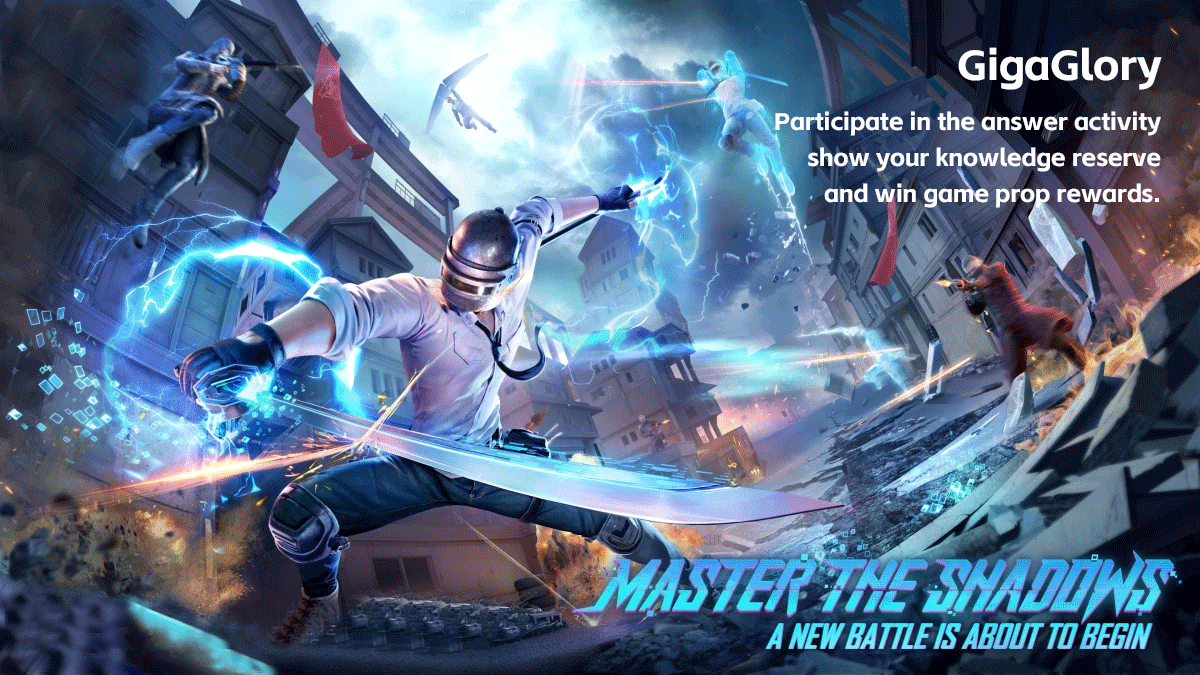
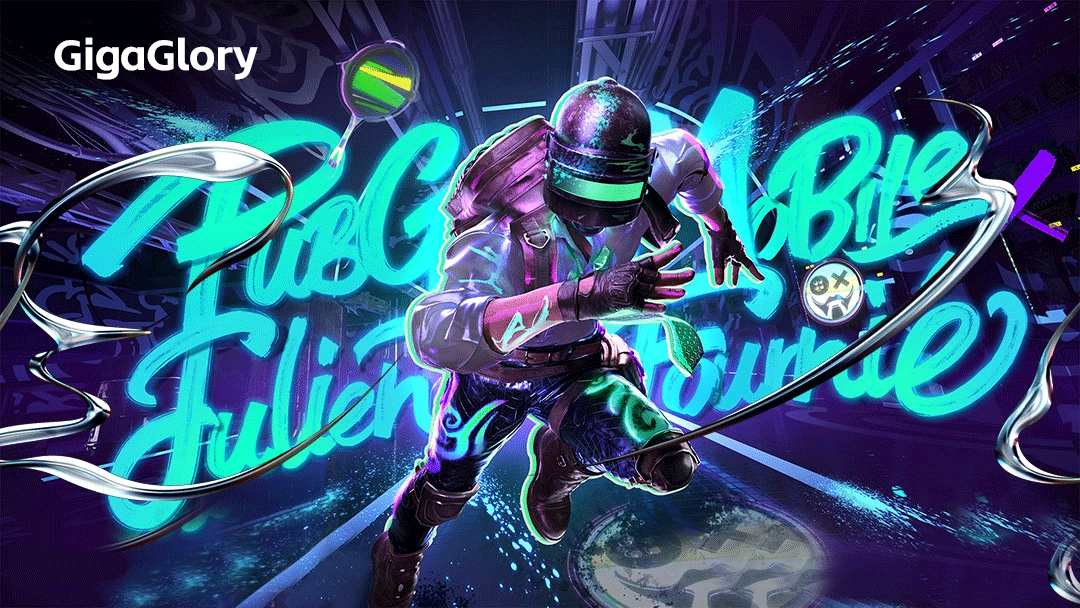
One of the most significant changes that mobile games have introduced is how they emphasize social interactions. Games like PUBG Mobile and Fortnite have social components integrated, allowing players to team up with friends or compete against others worldwide. This social gaming experience fosters a sense of community and competition.
Impact on Gaming Culture
The ripple effect of mobile games on gaming culture cannot be overstated. It has brought gaming into cultural conversations, making it a part of mainstream entertainment. Mobile gaming events have become as grand as traditional gaming conventions, attracting diverse audiences and creating a vibrant, dynamic environment. Below is a concise overview of how mobile games have reshaped gaming culture:
- Increased Accessibility: More players mean a more substantial gaming community.
- Expanding Genres: Games like dating RPG games and puzzle games have gained traction, appealing to niche audiences.
- Crossover with Other Media: Mobile games often integrate discussions from TV shows, movies, and puzzles like the united kingdom crossword puzzle.
Challenges Ahead for Mobile Gaming
Despite the thriving atmosphere, mobile gaming isn’t without challenges. With the abundance of options often comes oversaturation. Players may find it hard to choose a game that’s worth their time. Moreover, the quest for monetization can lead to excessive ads and in-game purchases, potentially alienating players.
The Future of Mobile Games
Looking ahead, the mobile gaming industry shows no signs of slowing down. Advances in technology like AR and VR may shape exciting new opportunities for developers. Moreover, as mobile internet speeds improve, the potential for richer gaming experiences will undoubtedly increase. Here's a table summarizing some possible trends:
| Trend | Description |
|---|---|
| AR/VR Integration | Enhancing immersion through augmented reality or virtual reality experiences. |
| Cloud Gaming | Providing access to high-quality games without the need for powerful hardware. |
| Increased Cross-Platform Play | Encouraging a unified experience across mobile, console, and PC. |
| Focus on Inclusivity | Developing games that cater to diverse audiences, promoting inclusivity. |
Conclusion
In conclusion, mobile games have not only redefined how we play but have also influenced our social interactions and expectations within gaming culture. Despite facing various obstacles, their ongoing evolution presents exciting new possibilities for both developers and players alike. Whether you’re into deep storytelling or quick puzzle-solving, mobile gaming offers something for everyone. So next time you pick up your phone, consider the expansive world of gaming at your fingertips and the rich communities being built around it.