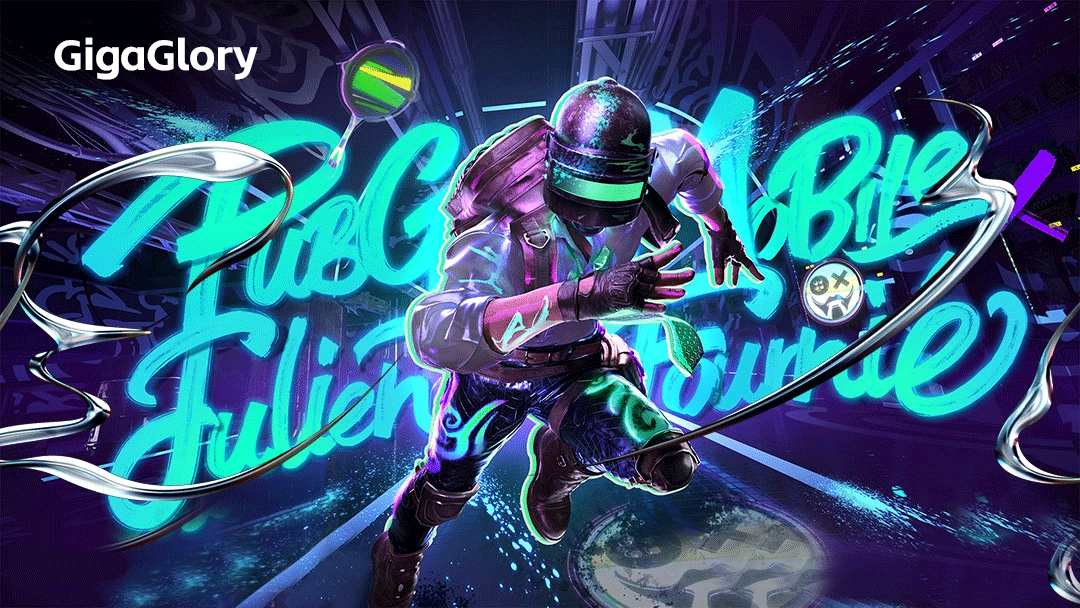
Are Mobile Games the Future of Gaming? Exploring Trends and Innovations
Over the past decade, the gaming landscape has undergone a remarkable transformation. With the advent of powerful smartphones and enhanced mobile connectivity, mobile games have surged in popularity. This trend has sparked questions about the future of interactive entertainment. Are mobile games indeed the future of gaming? In this article, we'll delve into the current trends, innovations, and emerging concepts shaping the mobile gaming industry.
The Rise of Mobile Games
Mobile games have established themselves as a dominant force in the gaming ecosystem. According to recent statistics, mobile gaming accounts for more than half of the global gaming market. The convenience of playing games on the go, coupled with the wide variety of game genres, appeals to a vast audience.
Innovations Driving the Mobile Gaming Experience
Technological advancements and innovative features have significantly enhanced mobile gaming experiences. Here are some key innovations:
- Augmented Reality (AR): Mobile games like Pokémon GO have popularized AR, blending digital elements into the real world.
- Cloud Gaming: Services such as Google Stadia allow players to stream high-quality games directly to their mobile devices without the need for powerful hardware.
- Cross-Platform Play: Games supporting multiple platforms enable players to enjoy games with friends regardless of their device.
Market Trends and User Preferences
Understanding market trends is essential for game developers. Surveys indicate the following user preferences:
| Trend | Percentage of Players |
|---|---|
| Preference for Quick Play Sessions | 65% |
| Desire for Social Features | 70% |
| Interest in Free-to-Play Models | 80% |
These stats highlight user priorities, indicating that game developers should focus on creating engaging experiences that cater to modern lifestyles.
Challenges Facing Mobile Game Developers
Despite the opportunities, mobile game developers confront several challenges, including:
- Market Saturation: With millions of games available, standing out can be a daunting task.
- Monetization Strategies: Striking a balance between generating revenue and maintaining a good user experience is critical.
- Quality Control: Ensuring that games run smoothly on various devices requires rigorous testing and development.
Notable Comparisons: Star Wars Last Jedi vs Game of Thrones
When discussing the future of mobile gaming, it’s captivating to compare franchises like Star Wars: The Last Jedi with Game of Thrones. Both franchises emphasize storytelling but have approached game integration differently. Game of Thrones has numerous mobile games which allow choices that affect narratives, fostering deep engagement. In contrast, Star Wars capitalizes on action-packed gameplay, appealing to fans of dynamic combat.
Future Directions for Mobile Gaming
The future of mobile gaming seems promising. Developers are expected to incorporate cutting-edge technologies like artificial intelligence and machine learning, enhancing player experience through tailored content. Community engagement will flourish as games evolve from mere singular experiences into communal platforms.
Conclusion
In summary, mobile games appear to be leading the charge into the future of interactive entertainment. With innovative technologies, vast user preferences, and an evolving market landscape, it's clear that mobile gaming will continue to grow. For both gamers and developers, the mobile platform offers substantial potential. As we embrace this evolution, one thing remains certain: the landscape of gaming will keep shifting, and mobile games will undeniably play a pivotal role.